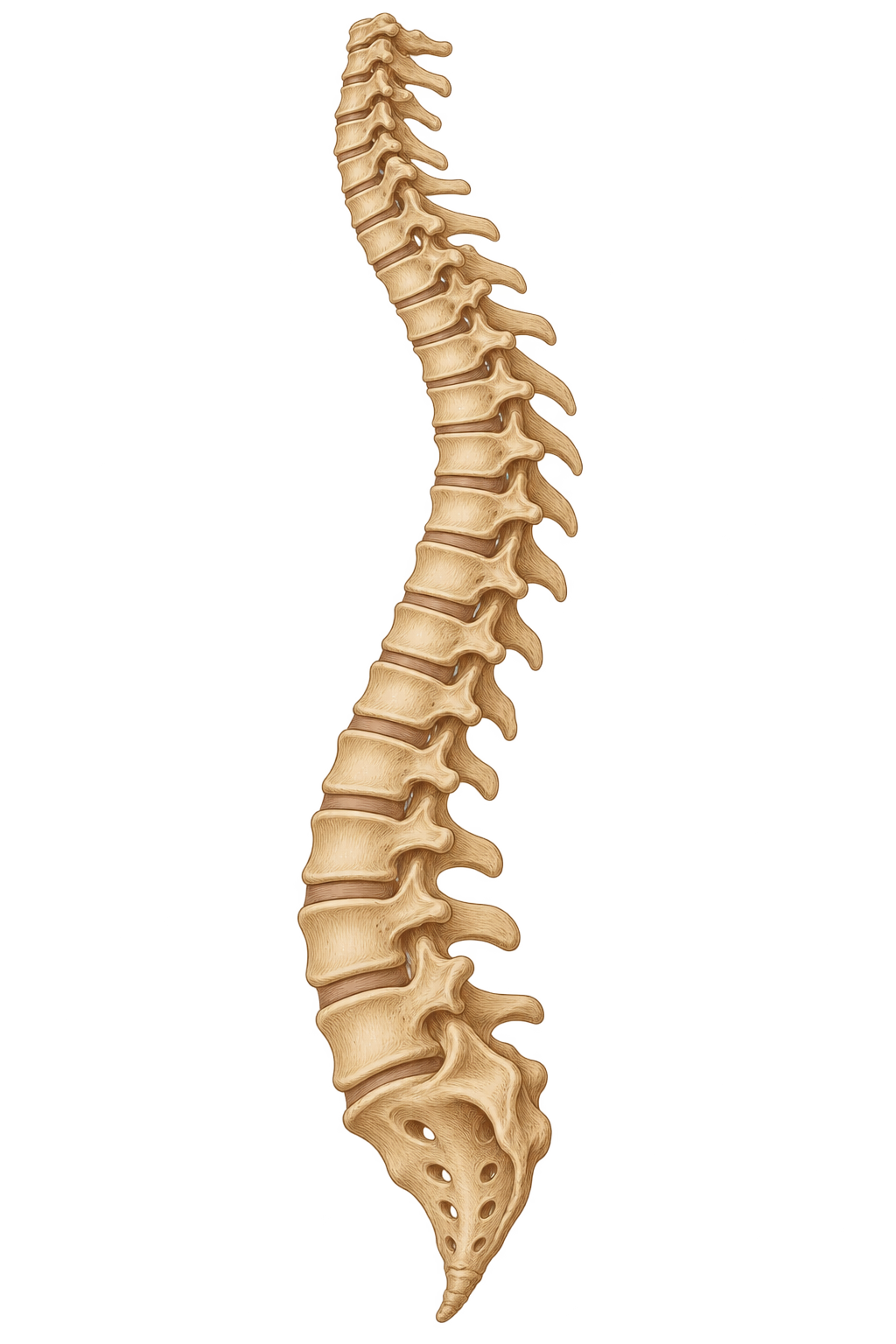


Back & neck discomfort
Explore care for aching, stiffness and movement that feels restricted.
Understand this concern: Back & neck discomfortDr. Julie Detwiler · Chiropractor
Explore common back, neck, muscle, and joint concerns. Understand treatment approaches and the questions that help shape a care plan around your symptoms, your goals, and your everyday life.
Board certified in chiropractic medicine
Certified in dry needling
Your questions. Your choices. Your care.
Conditions & concerns
Learn about common concerns, what an assessment may explore, and questions to bring to your care team.
Explore all conditionsExplore care for aching, stiffness and movement that feels restricted.
Understand this concern: Back & neck discomfortUnderstand when a headache may be linked with the neck and how assessment guides care.
Understand this concern: Neck-related headachesStart with the symptoms that affect reaching, walking and other everyday tasks.
Understand this concern: Shoulder, hip & joint concernsLearn why leg pain, tingling or numbness calls for a focused assessment.
Understand this concern: Sciatica & radiating symptomsExplore discomfort around the shoulder blades and ribcage.
Understand this concern: Mid-back stiffnessConsider how repeated tasks and activity demands can shape your care plan.
Understand this concern: Work, sport & overuse achesChiropractic techniques
Explore common hands-on methods and how to discuss their purpose, possible benefits, limits, and risks.
Explore all approachesExplore controlled adjustments, gentle joint movement and hands-on soft-tissue methods.
Explore this approach: Adjustments & manual careGet clear explanations of instrument-assisted, flexion-distraction and drop-table techniques.
Explore this approach: Instrument & table approachesLearn what it involves, when it may be considered and what to expect afterward.
Explore this approach: Dry needlingAt your visit, ask Dr. Julie which techniques she recommends and provides for your needs.
Your first conversation
What is getting in the way of your day? What do you want to do more comfortably? Your experience and preferences help make the conversation meaningful.
Our chiropractic approachBring your symptoms, health history, current treatments, and the activities that matter to you.
Discuss what may be contributing to your concern and whether another type of evaluation is needed.
Talk through your options, what to expect, and when you should review the plan together.
Dry needling
Learn what dry needling involves, its possible benefits and limits, and the questions to discuss before a session.
Patient education blog
Choose a manageable starting point A useful home routine is one you understand and can repeat. Begin by asking your clinician which movements address your goal, how often to do them and what response to expect. Two carefully chosen exercises may be easier to learn than a long list that leaves you unsure about technique. [1] Separate a rehabilitation prescription from general fitness guidance. The CDC recommends at least 150 minutes of moderate aerobic activity each week and muscle...
Start with the reason for treatment If dry needling is suggested, a useful first question is: what are we trying to change? The answer should connect to a specific symptom or activity and to the rest of your care plan. You should also know how the clinician will judge whether it is helping. [1] Dry needling uses thin needles without injecting medication. It may be included in care for selected muscle and movement problems. It is not a self-treatment, and a treatment name does not establish...
Begin with a goal you can recognize Pain can make the day feel smaller. A long drive, a walk with a friend or a simple household task may become something you plan around. When discussing chiropractic care, name the activity you want to regain. A goal such as comfortably preparing dinner gives you and your clinician something concrete to review. [1] Bring your questions, a medication list and information about other treatment. Explain how symptoms began, whether they travel, what changes them...
Between visits
Keep reliable information and the instructions selected for you within reach.