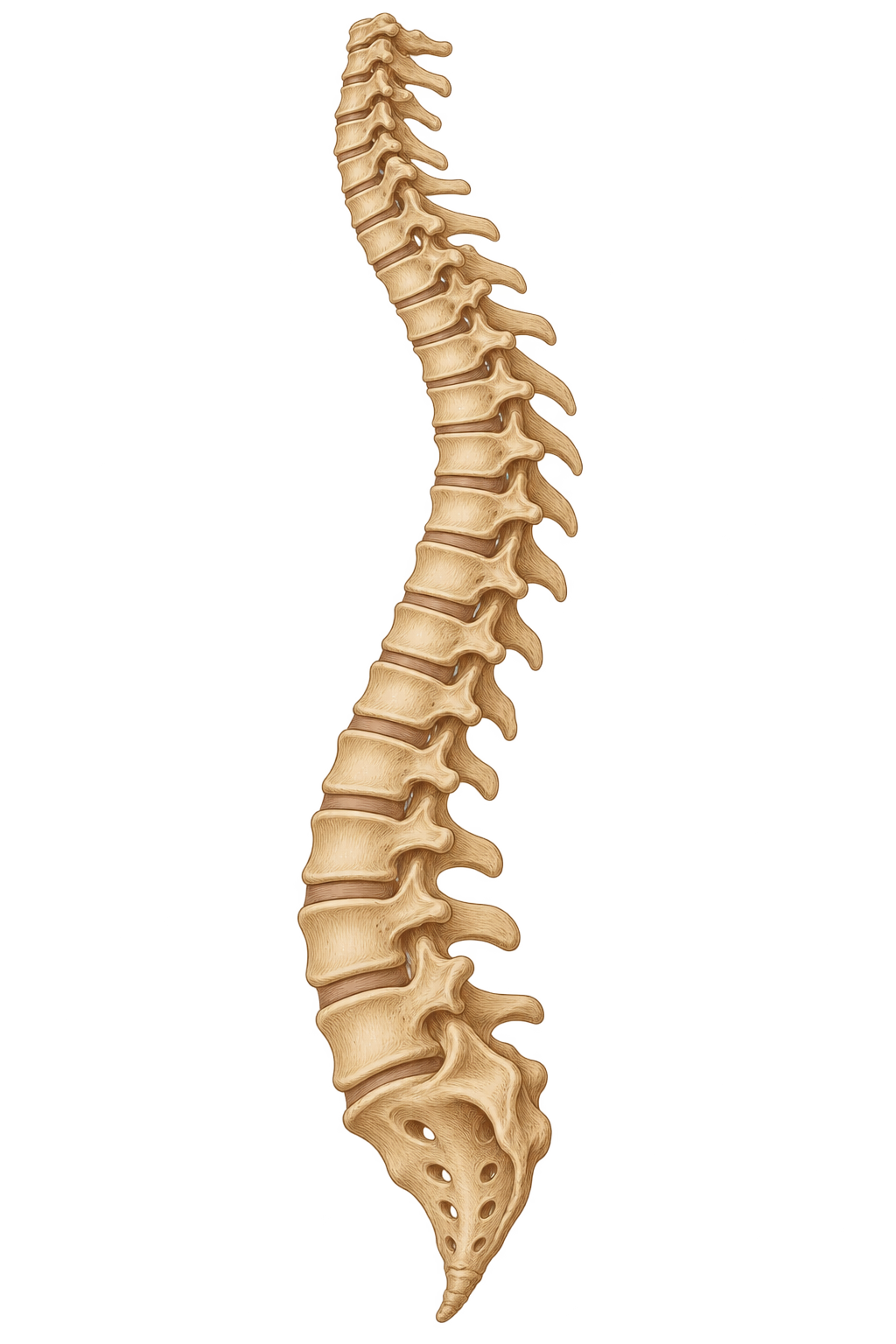

Low-back pain
Aching, stiffness or pain with bending, standing and daily tasks.
Understand this concern: Low-back painStart with your concern
Explore common back, neck, headache and joint concerns, and how a thoughtful assessment guides care.
A sore back, a stiff neck or a painful joint can make ordinary days harder. Chiropractic care focuses on problems involving muscles, joints and movement. The starting point is understanding your symptoms and what you want to do more comfortably—whether that is working, sleeping, walking or enjoying time with family.
The concerns below are common reasons to discuss chiropractic care. A history and examination help determine which approach fits, whether another assessment is needed, and how progress should be measured. [1]
Aching, stiffness or pain with bending, standing and daily tasks.
Understand this concern: Low-back painTurning, looking down or holding one position may feel uncomfortable.
Understand this concern: Neck pain and stiffnessIdentify the headache pattern before choosing a treatment.
Understand this concern: Headaches linked with the neckAching or restricted movement around the shoulder blades and ribcage.
Understand this concern: Mid-back discomfortReaching, walking or everyday tasks can bring joint symptoms into focus.
Understand this concern: Shoulder, hip and other joint complaintsLeg pain, tingling or numbness deserves a closer look.
Understand this concern: Sciatica and radiating symptomsSymptoms may build during repeated work, sport or household activity.
Understand this concern: Overuse-related aches and strainLow-back discomfort may be recent, recurrent or persistent. Assessment looks at how it behaves and affects your day. Manipulation is one option that may provide modest improvement in pain and function. A plan may combine hands-on care, practical activity advice and selected home care, with review of your response. [2] [3]
Care for mechanical neck pain can include hands-on treatment and advice tailored to the movements that bother you. Research supports benefit for some patients, although no single approach fits everyone. Gentler mobilization may be discussed alongside manipulation, and your comfort with the proposed technique should guide the choice. [4] [2]
The middle, or thoracic, back can feel stiff with turning, reaching, lifting or a long period in one position. Assessment considers the spine, nearby muscles and the way symptoms change with movement. A musculoskeletal plan can focus on comfortable mobility and everyday activity, with further evaluation when the pattern suggests another cause. [7]
Pain near a joint may involve tendons, muscles, the joint itself or pain referred from elsewhere. Shoulder and hip symptoms have several possible causes. A careful assessment helps decide whether conservative musculoskeletal care is appropriate, what activities need adapting, and when imaging, rehabilitation or specialist input would be useful. [8] [9]
Sciatica can cause pain traveling from the lower back or buttock into a leg, sometimes with tingling, numbness or weakness. Assessment distinguishes nerve-related symptoms from other sources of pain. Selected patients may be considered for manual care within a broader plan; persistent or worsening symptoms may need medical or specialist review. [10] [3]
Repeated gripping, reaching or other tasks can contribute to pain around the shoulder, elbow, wrist or hand. Care starts by identifying the activities and tissues involved. Treatment may include symptom-focused manual care, changes to workload or technique, and a gradual return to comfortable activity rather than simply repeating what aggravates the problem. [11]
Bring examples of what is difficult and what you hope to regain. Agree on a manageable next step and a time to review it. Progress might mean sleeping more comfortably, returning to a task or tolerating a longer walk. Home instructions and printable handouts can support the treatment plan between visits.
Seek urgent medical help for new bladder or bowel changes, numbness around the groin, or rapidly worsening weakness. Chest pain, breathing difficulty or a sudden severe headache needs emergency assessment. Fever, significant injury or steadily worsening symptoms also warrants timely medical review. [10] [7] [12] [6]